

Pale Bloom
—
Release on 13 February 2026
—
Unique Records
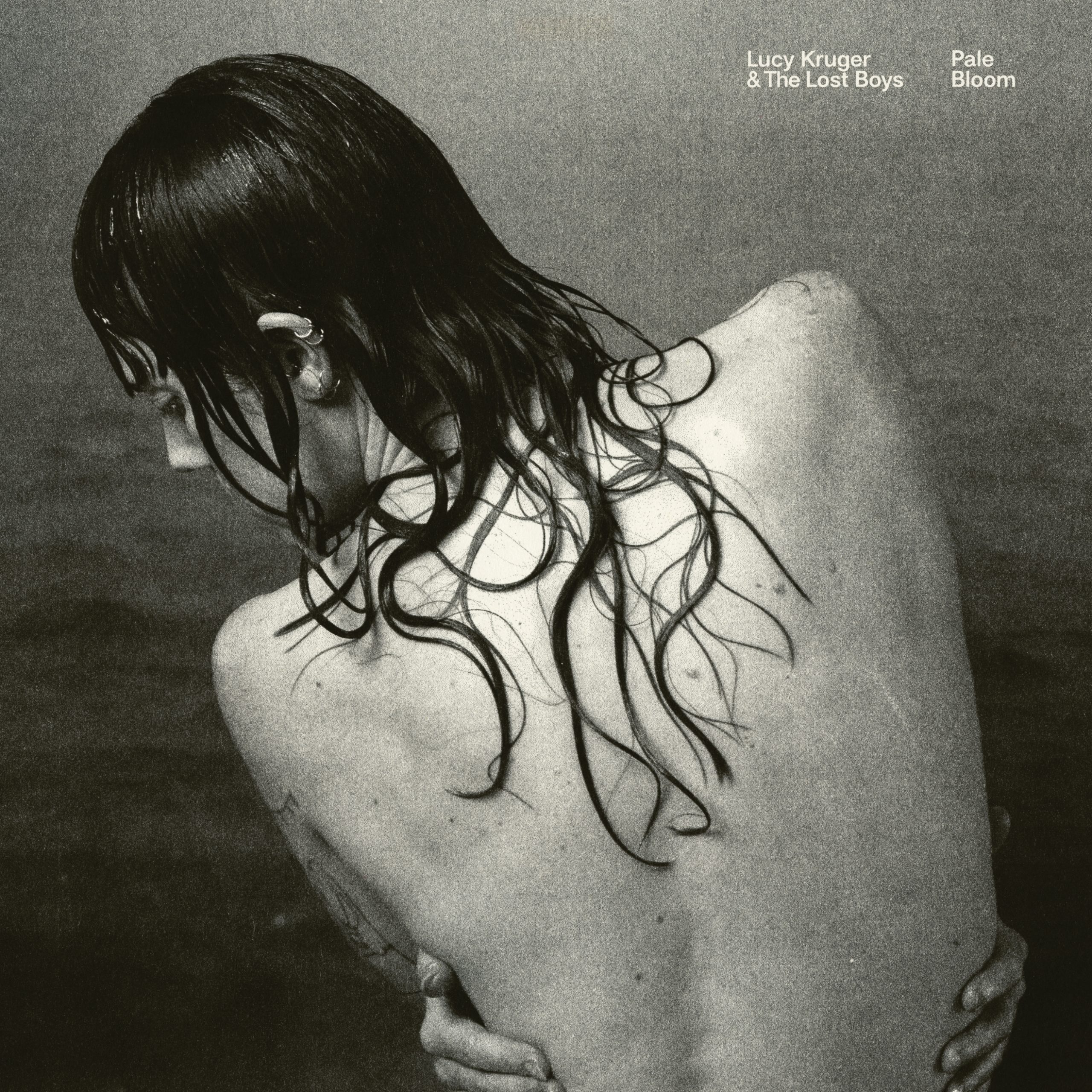
Unlike the Lost Boys’ earlier albums, where the pace of production worked to capture a specific moment in time, Pale Bloom emerged slowly. Like a languid river, it wound itself through five years, its sediment of thought and feeling gradually settling along the banks of the lives that would make it. From this vantage point, the album’s steady formation makes sense. It tries to suspend a creation myth in its amber – an origin tale that is ancient and complex; full of mystery and metaphor – that seeks neither clarification nor end.
Each Lost Boys release ventures into new musical and lyrical territory. Of them all, Pale Bloom reaches furthest back into childhood, sifting through the murk of memory, unconsciously locating the rhythms and narrative styles rooted in the strictures of a religious upbringing. Sorting through the forgotten chords, refrains and melodies from old nursery rhymes and folk songs – the bearers of tales that often sought to curtail the curiosity of a wandering child, rather than cultivate it – they found a desire to reclaim. To bend these inherited sounds toward more personal truths.
This impulse is present throughout the album, audible in Kruger’s voice as she wraps the various lyrical forms around her own longing, mourning and desire. She articulates a new found defiance with slow intent, alongside the band’s subversion of the remembered rhythms, producing a clear and willful demonstration that something more meaningful might be said with a disobedient sound.
For Kruger, a garden begins to form in the landscape of the lyrics – a relic of the strictures: neat, tidy, but barren. Her writing forms fables around its haunting figure – an anaemic gardener, in a constant reckoning with the ways in which she has failed to encourage anything to grow. She finds volatile seeds like desire, death, and dirt lying dormant in her stomach. She wonders if she can bury them in the ground, water them, and – with some luck – coax them into living. It is late, and perhaps no fruit will be borne. But even a pale bloom would be something; wild, unkempt and peculiar – finally given space to unfurl.
It is with a handful of these oddly grown and deviant flowers that Kruger and the Lost Boys make up their seventh record. Their notes are sweet, desirous, melancholic, and soaring. Their forms wrested from an unyielding, conforming ground, now set free to grow up a bit darker, bent but bold, full of their own kind of resonance and majesty.
To tell this story, the band drew on all they’ve learned and discovered musically, both on and off stage. Unlike their appearance on Heaving and A Human Home, the strings here are less affected, having taken on a more sombre and serious character. They stretch towards a complex kind of heaven, made possible by the weight and grounding of the grooves, which are both stoic and expressive. The guitars roam freely in between stretching, voluminous spaces, and are as grinding as they are gentle. All of this provides a lush and generous place for Kruger’s equally sonorous and euphoric voice to land. It rests, dips, and rises, sounding something like a search. The players on the record are Lucy Kruger (voice and guitar), Liú Mottes (guitar), Jean-Louise Parker (viola), Gidon Carmel (drums) and Reuben Kemp (bass).
Kruger recorded the album with her bandmates and close collaborator, André Leo, split across their various studios in Berlin, over the course of six months. The album was mixed by Simon Ratcliffe who – having worked with the Lost Boys on their last five records – has cemented himself as an essential part of the team.
Pale Bloom will be out through Unique Records on the 13th of February, followed by an extensive tour.